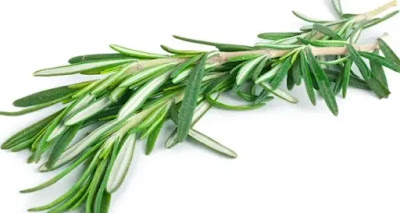
The herb belongs to the Lamiaceae family, the same as mint, and is also widely used to smell – both food and flavoring. Rosemary can be used fresh, dried, powdered, oil or tea. All with important properties for the health and functioning of the body as a whole.
rosemary properties
It is a good source of iron, calcium, magnesium, phosphorus, potassium and vitamin B6.
The millennial use of the herb and the nutritional values of the herb are enough to catch the attention of anyone who cares about health, but what is rosemary really for? How to choose the herb? Are there side effects? Read on to understand.
How to find and choose
The plant grows all year round, so it is always available in the markets. The fresh version of rosemary is the one with the most nutrients and the most flavor. Choose the herb well, with light green leaves and no dark spots.
It is also an easy plant to plant at home in small pots. The plant can be kept indoors or outdoors, it just needs a bright environment, little wind and water a few times a week.
Fresh rosemary can be kept in a jar or bag for several weeks and dried rosemary can keep for months if stored in a dry, dark place.
Benefits of rosemary – What is it used for and properties
The benefits of rosemary are numerous. Many of the properties that ancient people believed rosemary possessed, it actually did. He is rich in fibers, vitamin B, C, calcium, iron, magnesium, phosphorus and potassium and practically has no contraindications. Let us now understand what rosemary is for and what are its outstanding properties.
1- Anti-inflammatory properties, antioxidants
Rosemary is rich in antioxidants like rosmarinic acid, caffeic acid, carnosic acid, betulic acid, and carnosol. These substances have anti-inflammatory properties and are key to neutralizing free radicals, preventing damage to the body, premature aging of the skin and the growth of cancer cells.
Due to these antioxidants, rosemary is particularly famous for its anti-aging properties, improving the appearance and health of the skin, especially when used in oil. The anti-inflammatory properties also act on muscles, blood vessels and joints. Helping those suffering from arthritis, gout and high blood pressure.
2- Detoxifying
Being a natural diuretic, it helps to detoxify the body, eliminating pathogens, salts, toxins and even excess fat. A toxin-free body leads to a lower risk of cirrhosis, liver problems and more beautiful skin. 3- Memory and concentration
Studies show that rosemary works as a stimulant for all cognitive functions, improving memory, concentration and logical reasoning. While more research is still needed to explain how rosemary works, it’s a good sign that the herb has been used for these purposes for thousands of years.
4- Neurological system
Research points out that rosemary improves the neurological system as a whole and prevents brain aging. It has carnosic acid, which helps the body prevent and reverse brain damage.
5- Digestive system
Among the benefits of rosemary is a healthy digestive system. Studies point out that rosemary improves the digestive system as a whole, avoiding heartburn, gases, constipation, diarrhea and lack of appetite. It still helps regulate the entire gastrointestinal system and bowel movements.
6- Preventing cancer
Research published in Oncolocy Reports argues that rosemary helps prevent the development of breast cancer and leukemia. Other studies point out that rosemary has properties that prevent the development of tumors, reducing the risks of developing cancer.
7- Natural antibacterial
Research also points out that rosemary has antibacterial properties, especially useful against bacterial infections in the stomach, which can lead to ulcers and other more serious illnesses. Including rosemary in the daily diet can prevent diseases caused by bacteria.
8- Against bad breath
As it has antibacterial properties and a strong woody citrus taste and smell, it works well against bad breath and overall oral hygiene. Gargling hot water with a few rosemary leaves kills bacteria in your mouth and freshens your breath.
9- Stimulates circulation
Studies point out that rosemary stimulates the production of red cells and improves blood flow in the body, helping to oxygenate all vital organs and all areas of the body.
10- Pain relief
Rosemary has analgesic substances and has been used for relief since antiquity. For external pain, oil or paste can be applied. For headaches, simply ingest with food or drink in the form of tea.
Side effects?
Rosemary is very healthy, only in extremely large doses it can cause some problems like vomiting, spasms, coma and fluid in the lungs. Rosemary can cause problems in pregnant or nursing women as it stimulates menstruation and miscarriage.
The herb has a substance similar to aspirin, called salicylate, which can cause allergies in those who are allergic to the medicine. Also, as it increases the risk of bruising, it should be avoided for those who already have a predisposition, as well as those who suffer from seizures.
It can also affect how some medicines work. Because it is a natural diuretic, it may affect the use of diuretics and lithium medications (used to treat manic-depressive episodes). The herb may also affect blood thinners and ACE inhibitors.
Read Also :