
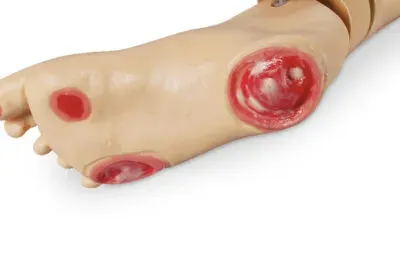
Causes, symptoms, and treatment of pressure ulcers
Causes, symptoms, and treatment of pressure ulcers
The nature of the human body means that it needs a minimum of physical activity to function and stay healthy. However, on some occasions, illness and old age force many people to rest for a long time . It is in cases like this that there are visible signs that our bodies are not made for mobility. One of them is the decubitus ulcer.
A pressure ulcer is a series of lesions seen on areas of the skin that receive additional pressure. When we have to spend a long time in a bed or in a wheelchair, the areas of our body that suffer the most, since they are our main point of support, These areas are usually those in which the layer of skin that covers the bone is thinner, such as the heels, the coccyx, or the hips.
People with ulcers may have tenderness in these areas, as well as infections with pus and changes in skin texture. It is essential that people with a higher risk of developing this type of injury receive the necessary care to prevent it. In this article, we will explore what a pressure ulcer is, what its specific symptoms are, and what treatments can be applied to alleviate it.
What is a pressure ulcer?
They are also called bruises or bedbugs. It consists of sores that appear on the skin when it is pressed on a hard surface for a long time . The pressure limits the blood flow in those areas where the skin is thinner, the bone is more exposed, and therefore there is less cushioning. This reduced risk can lead to tissue damage or death, leading to the development of such ulcers.
These lesions can appear gradually over time. Although they can be treated when they are visible, the ideal is to adopt a series of habits and care with immobilized patients so that these ulcers do not appear.
This type of pathology is observed in those who, for various reasons, are forced to rest for a long time. Examples of this are the elderly, spinal cord injury patients, or those with cerebrovascular injury .
What causes pressure ulcers?
In general, there are three factors that contribute to the development of a pressure ulcer.
As already mentioned, one of the main causes of this disease is the possible excessive pressure on the affected skin area. This causes blood flow to be less than normal, so the tissue does not receive the essential nutrients it needs to stay alive. This causes severe damage to the area, and even complete tissue death can occur in the most severe cases. The most vulnerable areas that can suffer bruises are those with less tissue breakage, such as the shoulder blades, the coccyx or the hips. This type of ulcer is especially common in patients who are embedded without adequate support in these sensitive areas.
Friction : When a patient is at rest for a long time, something as trivial as rubbing clothing or textiles can be harmful to the skin. This friction can favor the appearance of decubitus ulcers if preventive measures are not taken, especially when the skin is not completely dry.
Occasionally, friction can occur when the person is supported on a moving surface. If the patient’s body remains immobile, an ulcer may result from friction between two contrasting forces.
Risk factors for pressure ulcers
In general, the appearance of these lesions is especially frequent in some people, especially those who are immobile for health reasons . As we mentioned at the beginning, some people with serious conditions, such as patients with spinal cord injury, indicate a high risk of suffering from this type of ulcer. It is also very common in older people, since in old age they may need rest due to multiple pathologies.
In people with incontinence, it is also common. Patients, especially if they are elderly, usually present with a greater or lesser degree of incontinence. If proper hygiene is not carried out, urine and feces can create the ideal environment for the appearance of an ulcer since they sensitize the skin much more than usual.
In addition to all of the above, food also plays a fundamental role . A balanced diet helps keep the skin healthy, reducing the probability of these lesions occurring. Diseases that impair blood supply are an important factor to consider in these cases, as they can promote tissue damage due to a lack of nutrients and oxygen.
Symptoms and complications
The disposition of such an injury is progressive, so the severity and depth of the ulcer will also depend on how quickly the tissue damage is treated. In general, there are some warning signs that warn us that a pressure ulcer is developing: changes in the color and texture of the skin; swelling; pus; abnormal temperature in the affected area; and increased sensitivity of the area .
As we have discussed, these symptoms are most often seen in the most exposed areas of the body. These will vary depending on the position of the patient. For example, people who get under the bed often get ulcers on their hips, tailbone, or shoulder blades. On the other hand, people in wheelchairs will see more damage in the areas of the buttocks, spine, and back of the legs.
When there is a complication, it can become very serious if the ulcers are not treated as soon as possible.
Bone and Joint Infections Although the lesion may appear on the skin at first, when left untreated it can enlarge and interfere with the patient’s bones and joints. This can severely impair a person’s mobility, so early medical care is essential to prevent its spread.
Cancer : When a wound does not heal or heal properly, a carcinoma can later appear.
Treatment
To treat ulcers, the patient needs to be cared for by a professional team that can lead various aspects of the intervention. At least initially, a nurse needs to cure and disinfect, at least initially, when they are most open. It is important to clean the sore and then apply a bandage to prevent re-infection of the wound and promote its healing process. Once the lesions have healed, physio therapeutic work is necessary so that the patient achieves maximum mobility within its possibilities.
Dietary care is essential since, as we have seen, food is closely linked to the state of the skin. In some cases, pain relief medications may be needed until the lesions have healed. Although this treatment is useful to heal the injury where it is already visible, it is important to adopt preventive habits to avoid suffering for the immobilized patient.
It is vital that the patient be helped to change jobs very frequently, since in this way excessive pressure is avoided in the most sensitive areas. As we have said, mobility is crucial. It is important, within the possibilities of each patient, to promote physical activity and physical mobility.
Wheelchairs and special beds are currently available to prevent this type of injury. These allow you to change positions in different ways and have padded reinforcements in the areas most vulnerable to ulcers. Good hygiene conditions are a basic preventive measure for maintenance. It is important to clean the patient frequently, keep the skin clean and dry, and avoid allowing feces and urine to remain in contact with the dermis for too long. In the same way, it is important to change the patient’s clothing and the fabric of his bed every day since this prevents the accumulation of dirt and moisture, which greatly enhances the appearance of these injuries.
Conclusions.
Mobility is a very difficult experience for all patients, both psychologically and physically. It is a state that is often uncertain. For this reason, the care of patients treated in this situation is crucial since they are especially vulnerable to the development of pathologies like pressure ulcers, another example. In this sense, it is worth highlighting the work of health professionals, who save lives and prevent many diseases that can be seen as serious with their daily care work.
Read Also :
The 5 types of folliculitis (causes and treatments)
10 effective remedies for blisters (prevention, care, and treatment)