
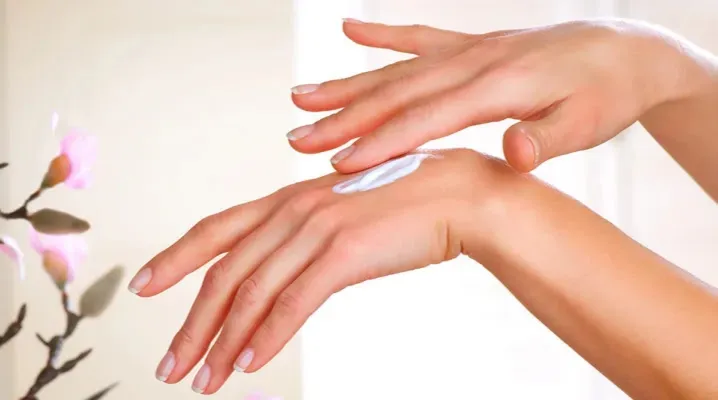
How to properly care for your skin during the cold season
How to properly care for your skin during the cold season
After prolonged exposure to low temperatures, it begins to dry and crack, which causes not very pleasant sensations, and such pens look rather unsightly. And they, as we know, are the hallmark of every woman. To have well-groomed hands in the autumn-winter season, follow these simple tips to keep your skin soft and tender.
How to properly care for your skin in autumn and winter
1. At low temperatures, it is not recommended to walk without gloves. The cold causes the skin on the hands to turn red and peel off. If you do not like to wear mittens, think about your beloved pens. After all, they deserve to look lovely all year. healthy lifestyle with the wellness industry. Popular trends
2. Never warm your hands after a long day in hot water. It’s bad for the skin. After such procedures, cracking and peeling are guaranteed’s bad for the skin. After such procedures, cracking and peeling are guaranteed. For this purpose, use only warm water with a temperature not exceeding 40 °C.
3. Wash your hands with a good soap containing moisturizers. Never save money for yourself or your family. Buy only high-quality care products because you deserve the best.
4. Eat right. Eat as many fruits and vegetables as possible. Buy a vitamin complex at the pharmacy. In the cold season, you need to support your body with the vitamins and microelements that are so necessary for it, which have a beneficial effect on the skin, including the skin of the hands. It’s easy to be beautiful.
Choose creams and serums that are appropriate for the cold weather. In winter and autumn, it is necessary to use moisturizing and nourishing products that can not only preserve the protective skin layer but also protect the hands from chapping.
6. Perform restorative procedures (peeling) more often. They contribute to the restoration of the skin and the removal of dead particles. Soak your hands at least 3–4 times a week using natural products such as milk, honey, olive oil, etc.
7. Buy a humidifier and put it in the apartment where you live. When the heating season begins, the air in the room becomes extremely dry, which is bad for our skin. Take care of yourself and be healthy!
Summer is one of the most loved seasons of the year, with many outdoor recreational and sports activities. However, after hours of playing in the sun, people often have to deal with sunburned skin. There are many people who are looking for answers to related questions, such as how to apply or whiten when sunburned. There are many simple remedies you can do at home to treat sunburn, soothe your skin, and reduce irritation.
1. Sunburn Overview
Sunburn This is a condition in which the skin becomes red and burns to the touch, usually a few hours after exposure. Tia from UV sunlight or other artificial light sources.
Repeated exposure to sunlight can burn the skin and age the skin, giving us peels and skin cancer. Many treatments that help reduce sunburn can be done with simple home remedies. Sunburned skin usually takes a few days or longer to heal. Also, to protect your skin and prevent sunburn, it is necessary to take skin protection measures when playing or working outdoors, even on cool days.
2. Why does sunburned skin darken?
Many people wonder. Why does applying a lot of sunscreen make my skin dark? The fact is that darkening of the skin is caused by excessive exposure of the skin to ultraviolet (UV) rays. Ultraviolet radiation has a wavelength that is too short for the human eye to see. UV rays are divided into several groups based on their wavelength, including two main groups. UVA and UVB radiation UVA rays are the rays that can cause skin aging damage, and UVB rays are the leading cause of skin burns. Exposure to UV rays, both UVA and UVB, increases your chances of developing skin cancer. Tanning beds can produce ultraviolet rays that can cause sunburn.
Melanin is a pigment component located in the epidermis of the skin that determines the normal skin color of each person. Ultraviolet rays are a factor that stimulates the body to increase melanin production and darken the skin. This is a response that protects the body from the sun and further skin damage. However, the amount of melanin produced by each person is determined by their genome, and many people do not produce enough melanin to protect their skin. UV rays cause burning, pain, swelling, and redness of the skin in this case.
Ultraviolet rays are one of the main causes of sunburn.
Even on cool, cloudy days, your skin can burn and turn black. More than 80% of UV rays can penetrate clouds and reach your skin. Water, sand, snow, and other surfaces can reflect UV rays and cause skin burns to the same extent as direct exposure.
3. Sunburned skin risk factors
Individuals with the following characteristics are at a higher risk of sunburn:
- light skin, blue eyes, and blonde or red hair.
- live or travel in areas with hot and sunny climates.
- often work outdoors.
- Participate in outdoor leisure activities and drink alcohol at the same time.
- There is a history of sunburn.
- Frequent exposure to sunlight and artificial light sources without skin protection
- Certain medications increase the skin’s ability to trap the sun.
4. How to Tell If Your Skin Is Sunburned
Signs and symptoms of sunburn include:
- red skin
- The skin feels hot to the touch.
- Pain, swelling, and itching
- Small blisters on the surface of the skin
- headache, severe sunburn, high fever, vomiting, and coma.
Any part of the body exposed to the sun can be damaged, including the earlobe, scalp, eyelids, and lips. Because UV rays can penetrate thin materials, even shielded skin can be sunburned.
The signs and symptoms of sunburn usually appear within hours of sun exposure and persist for several days thereafter. In later stages, the body can heal itself by dropping the damaged skin upwards.
Itchy skin is a sign of sunburned skin.
When your skin is sunburned or darkened, you should see your doctor if you notice any of the following signs of danger:
- The damaged skin area is large and painful.
- accompanied by fever, headache, confusion, and vomiting.
- It doesn’t heal on its own, even after a few days.
- The appearance of blisters containing a yellow liquid is a sign of an infection.
5. What should I apply to sunburned skin?
There are many simple home remedies for sunburn. People with sun damage may apply the following to their skin to relieve symptoms, including:
5.1. Use cool water.
Sunburn is simply understood as an inflammatory reaction of the skin. One of the easiest ways to reduce inflammation is to lower the temperature of the affected area. An effective way to relieve an immediate burning sensation is to jump into the water or splash it with cold water. However, be careful with pool water, as chlorinated water can be more irritating to your skin. Applying ice directly to the skin surface should be avoided as it can do more damage to the sunburned area.
(5.2)Baking soda and oatmeal
Mix a few tablespoons of baking soda with cold water in the shower and soak for about 15 to 20 minutes to help reduce skin damage. You can add more oatmeal to soothe irritation and restore the skin’s natural moisture. Do not rub your skin while showering; dry it with a soft cloth.
Baking soda can help improve sunburned skin.
5.3. Vera
The gel layer from the tree Vera is known for many uses, including its ability to cool and soothe the skin. Applying a layer of gel directly to the skin helps to hydrate and quickly relieve skin burns.
5.4. vinegar
There are different opinions about using vinegar to treat sunburned skin. Some people think adding vinegar to the bath can help relieve the burning sensation, while others argue that the acidity of the vinegar only makes it worse.
Also, some of the following measures are effective for darkening sunburned skin:
- Wear light and light clothing. If your skin is sunburned, you should choose clothes that do not stick to the surface of your skin. The skin is the body’s largest organ, so it’s best to allow it to breathe and recover from sunburn damage. In this case, it is better to choose a natural fiber material such as cotton.
- Drink plenty of water: After sunburn, your skin needs more moisture to recover. Drinking plenty of water is a simple and effective way to
- Use a moisturizer: Along with the initial treatment, your skin needs gentler care. One of the most important things to prevent flaking is to use moisturizer on damaged skin areas. You should choose a special cream for sensitive skin. In particular, you should choose a cream that is free of colorants and fragrances to limit skin irritation.
Measures to Prevent Sunburn
Here are some tips to help prevent sun damage:
- Avoid sun exposure between 10 a.m. and 4 p.m. This is the time of the highest insolation, so you should limit outdoor activities during this time.
- Avoid using tanning beds: artificial lighting on tanning beds can produce UV rays and has the potential to burn your skin.
- When outdoors, wear a wide-brimmed hat, a long-sleeved shirt, and long pants to protect yourself. Dark clothing provides better protection.
- Use sunscreen enough and often: Choose a waterproof sunscreen and a balm with an SPF of 30 or higher with broad-spectrum UVA and UVB protection. Sunscreen should be applied to the skin for about 15–30 minutes before going out, paying attention to the exposed areas of the skin. Reapply sunscreen every 40 to 80 minutes or immediately after showering or sweating. Sunscreen should be applied before applying insect repellent.
- Wear sunglasses when going out. You should choose glasses that are resistant to UVA and UVB rays, which can be referenced in the product parameters.
A Simple Morning Skin Routine: The Best Threshold Of The Skin