
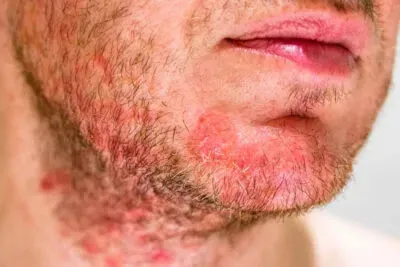
The 5 types of folliculitis (causes and treatments)
The 5 types of folliculitis (causes and treatments)
Approximately two square meters in size, the skin is by far the largest organ in our body. An organ that protects us from external threats while allowing us to capture stimuli is made up of various structures that allow this skin, working in a coordinated manner, to fulfill its physiological functions.
And one of them is called hair follicles, which are also called “hair roots,” located in the dermis (the middle layer of the skin, below the epidermis, the thickest), which houses the metabolic and mitotic reactions for hair development.
However, these follicular ducts can be damaged (by shaving or rubbing against clothing) and become clogged, which can lead to bacterial or fungal infection and inflammation with a common skin condition called folliculitis.
And in today’s article, in addition to understanding exactly the clinical basis of this folliculitis, we will see what the categories are because there are different types depending on their causes, symptoms, and treatment. And this disease, while not a health risk, can cause pain, itching, and embarrassment. That is why it is so important to know its characteristics.
What is folliculitis?
Folliculitis is a dermatological disease that consists of the infection and subsequent inflammation of one or more of the hair follicles in the skin., the ducts that extend from the middle layer of the dermis to the outside and inside of which hair grows. In this sense, folliculitis is a pathology in which the small pockets from which inflamed hair grows are generally the result of a bacterial or fungal infection.
In fact, the problem most often begins with damage (from friction with clothing or from shaving or waxing) or clogging of the hair follicles, which increases the risk that, primarily, Staphylococcus aureus (although other bacteria and even fungi or other causes that we will see later) can colonize the root of the hair and thus start an inflammatory process.
Folliculitis can develop almost anywhere in the body. (with the exception of the lips, mucous membranes, and the palms of the hands and feet), and while everyone can develop them, there are some risk factors: being a man with curly hair who often shaves, waxing, wearing tight clothing, and wearing clothing that absorbs heat. and sweating, walking around in poorly maintained facilities, suffering from acne or dermatitis, taking certain medications (consult your GP) and, of course, suffering from a disease that weakens the immune system.
Be that as it may, folliculitis has quite obvious symptoms that consist of the appearance of headache pimples that form around the infected hair follicle, the appearance of small groups of bumps, the formation of pus-filled blisters that can cause scabies, pain and tenderness in the skin, itching, burning, and, in some cases, the appearance of large swollen lumps.
As we can see, apart from the pain, itching and embarrassment due to the aesthetic impact, folliculitis is not a disease that represents a health risk. But it is true that in the most serious cases, not receiving the necessary treatment can lead to complications such as the formation of incurable scaly ulcers (where the infection spreads), recurrence of the infection, and furunculosis (formation of lumps). permanent scarring, the appearance of dark spots, and even permanent hair loss in that area if the follicles are destroyed by the pathology.
Therefore, in addition to preventing its appearance (shave less frequently, avoid tight clothing, try other hair removal methods, apply moisturizing lotions after shaving, wash the skin with soap and water before shaving, swim only in clean pools…) , it is important to know your treatment, which should be consulted by a doctor who knows that it may consist of pharmacological therapy (antibiotic gels or creams to reduce inflammation) and, in the most serious cases that have caused complications, surgical therapy (minor surgery for drainage of pus), as well as in laser hair removal.
What types of folliculitis are there?
Now that we know the clinical origins, causes, symptoms, complications, and treatment of folliculitis as a general pathology, we are more than ready to discuss the specificities of each of the types of folliculitis. So, let us see how this skin disorder is classified.
1. Folliculitis caused by bacteria
Bacterial folliculitis is a pathology in which the inflammation of the hair follicles is caused by a bacteriological infection, most commonly staphylococcus aureus, a bacterium found on the skin of one in every three people worldwide.It does not generally cause problems, but can sometimes behave as an opportunistic pathogen.
While it can cause gastrointestinal infections, pneumonia, bone infections, bacteremia, and many other conditions, skin infections are the most common. And within them, folliculitis is one of the largest. The bacteria use wounds in the hair follicles or blockages in the ducts to colonize them and thus cause infection. In this case, it is characterized by white, pus-filled bumps that are itchy. Treatment consists of applying antibiotic lotions and gels. Oral antibiotics are practically never prescribed.
2. Follicular infection
Fungal folliculitis is a type of pathology in which inflammation of the hair roots is caused by a fungal infection caused by Malassezia skin, a type of fungus that is part of the skin’s natural microbiota but can, as in the previous case, be used to treat skin lesions caused by infections.
This form of pathology is more frequent in adolescents and young adult males who live in humid climates, which favor the activity of this species of yeast. In this case, folliculitis is expressed with papules and pustules, usually on the forehead, chin, neck, back, shoulders, face, or bag, which is usually flat and can be chronic. Treatment consists of oral administration of fluconazole, an antifungal drug.
3. Folliculitis of the ingrown hairs
Ingrown hair folliculitis is a variant of the pathology where the inflammation of the hair root (at least initially) is not due to a bacterial or fungal infection but to the ingrown hair, i.e. hair that grows back after being shaved or spun, but in an unusual way, under the skin and without coming out .
It is especially common in men with curly hair who shave frequently and do not apply pre-shave or post-shave skin care treatments, such as washing with soap and water or applying moisturizing lotions. But it can happen to anyone who shaves any part of their body or shaves or waxes.
In this case, folliculitis is made up of papules (small, round, solid bumps), pustules (pus-filled blister-like lesions), darkening of the skin, pain, and itching. All this is because the hair is embedded. To solve the problem and prevent the wound from becoming infected and permanently leaving dark spots, the embedded hair must be removed by placing it in the hands of a dermatologist.
4. tubal folliculitis
Hot tub folliculitis is a type of pathology that develops as a result of bacteria infection in places like hot tubs, heated pools, hot tubs, or spas that do not receive proper maintenance treatments.In other words, the folliculitis we suffer from is due to swimming in places where chlorine and pH are not well controlled, which increases the risk of infection by, in general, bacteria of the genus. Pseudomonas,
The bacteria generally causes respiratory illnesses, but can also cause skin infections. In this case, folliculitis, which is worse in areas where the swimsuit keeps the water in contact with the skin, is characterized by the appearance, one to two days after exposure, of a red rash accompanied by round and itchy lesions as well as pus-filled blisters on the follicles. In this case, however, the infection resolves in a few days without the need (in the vast majority of cases) for medical treatment.
5. Deep folliculitis
So far we have seen everything related to superficial folliculitis, which is, after all, the mildest form of the disease. But there is also deep folliculitis, and that is the variety in which it occurs. It also involves inflammation of the hair bulb , which is the lower part of the follicle and where the fungal activity of hair growth occurs. Inflammation occurs not only in the superficial part of the skin but throughout the entire hair canal.
We find some varieties within this variety that obviously require more intensive treatment, such as furunculosis (formation of accumulation of pus under the skin called boils), carbuncles (formation of lumps under the skin), and beard psychosis ( to deep folliculitis). eosinophilic folliculitis (of unknown cause, mainly affecting AIDS patients) and gram-negative folliculitis (due to deep infection, usually in patients who have received long-term acne treatment). Treatment will depend on the exact cause.
Read Also :
The 12 types of alopecia (and their characteristics)